Why Tarifa is special for birdwatching
Tarifa, in the extreme south of Europe, is not only known for its winds and beaches. It is also one of the best places in the world for whale watching thanks to its strategic location in the Strait of Gibraltar.
In this maritime corridor, the waters of the Mediterranean and the Atlantic mix, creating a unique ecosystem that is home to various species of cetaceans throughout the year.
In winter, whale watching excursions have a special charm. The waters are calmer and the groups are smaller, guaranteeing an intimate and authentic experience.
Watch our video experience here!
Winter season: What species can you see?
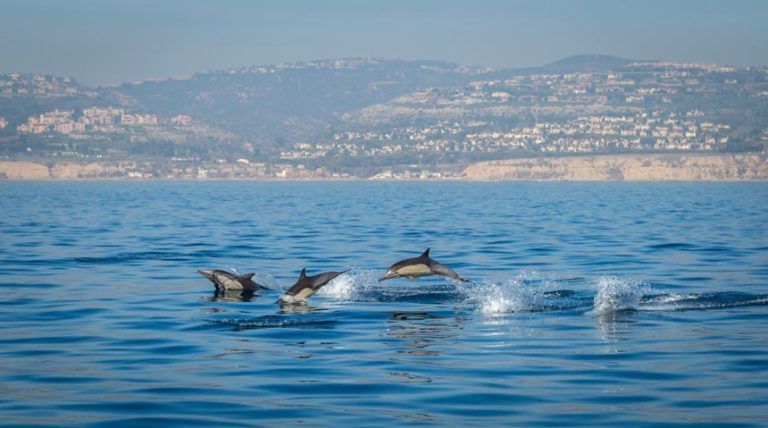
Winter is ideal for spotting dolphins and pilot whales (pilot whales). Some of the most common species you may see during this time include:
Common dolphins
They are playful and often swim alongside boats.
Bottlenose dolphins
Known for their size and sociable behavior.
Pilot whales
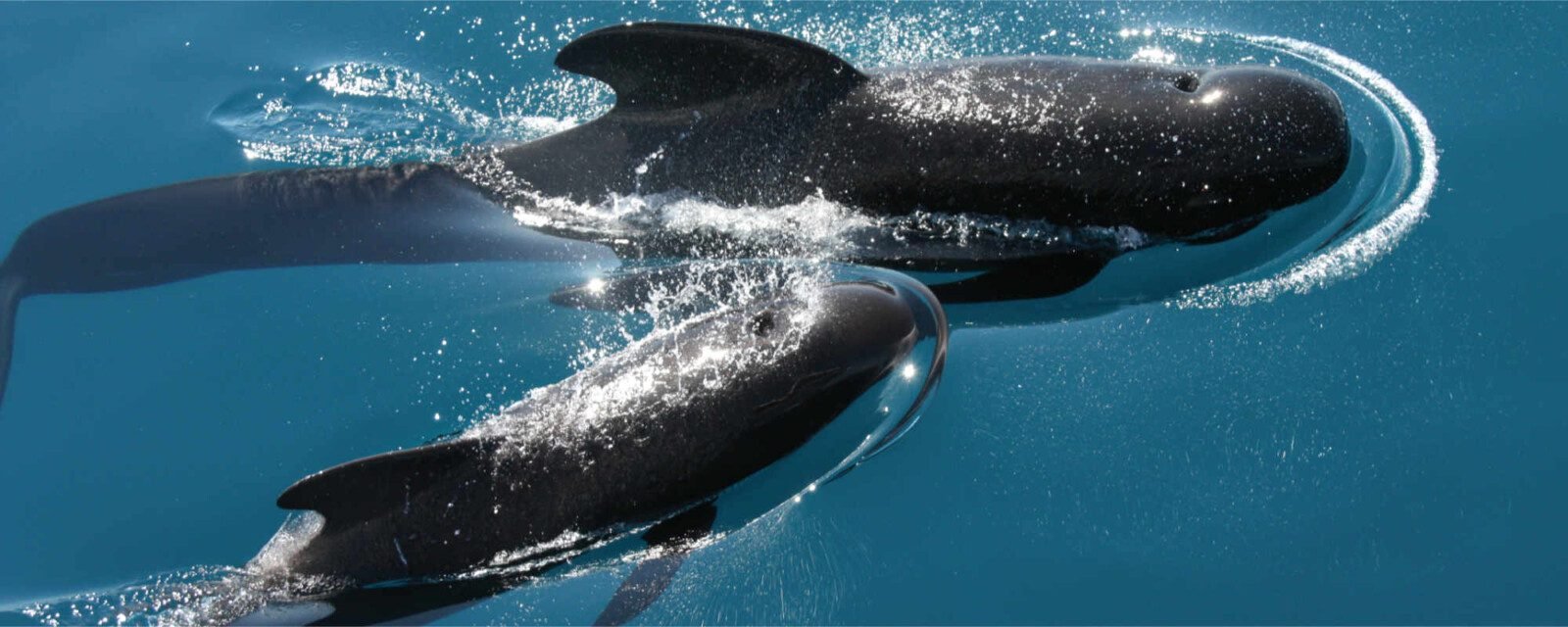
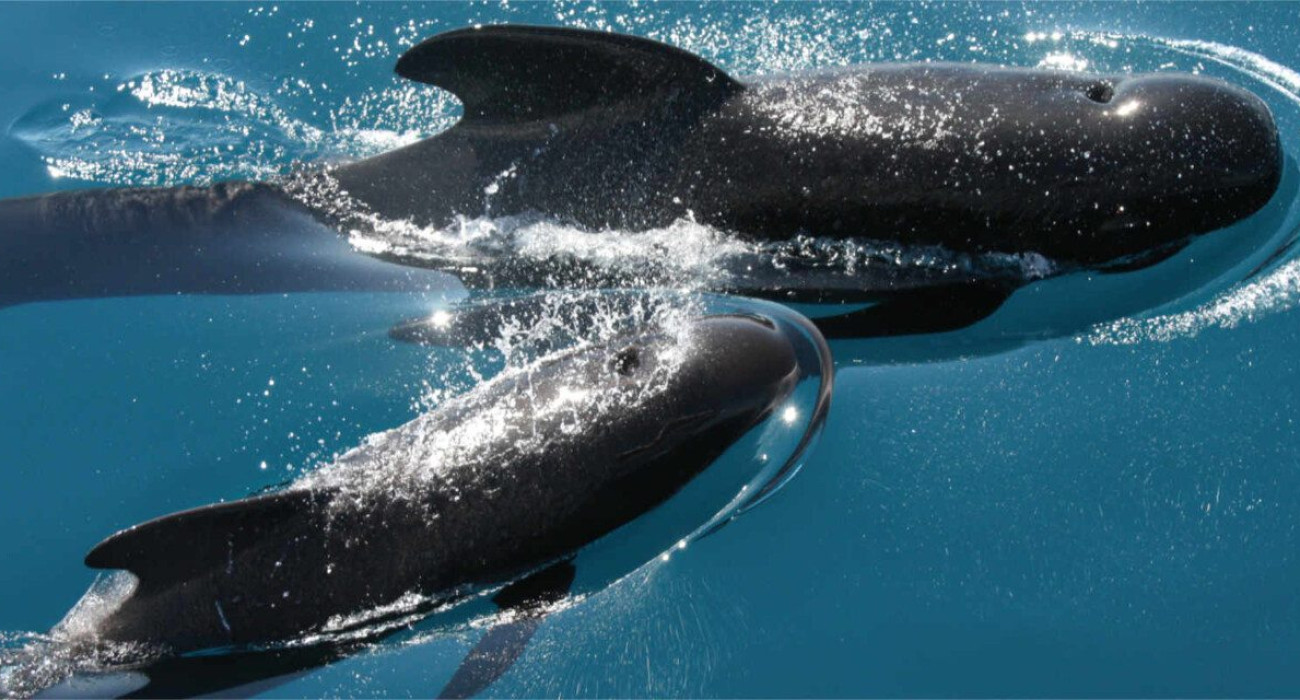
They are common in the Strait of Gibraltar and usually travel in family groups.
Although less frequent, it is also possible to see orcas and sperm whales in these waters.
Ideal conditions in winter:
- Reduced maritime traffic.
- Calmer waters due to moderate winds.
- Pleasant temperatures make the experience a pleasure.
What you need to know before the tour
To enjoy the sighting to the fullest, it is important to be well prepared.
How to choose a reliable company:
- Opt for local companies with sustainability certifications, such as Turmares or Firmm.
- Make sure the boat has guides who are experts in marine biology.
What to bring:
- Comfortable and warm clothes (the wind at sea can be cold).
- Sunscreen and sunglasses, even in winter.
- Camera or binoculars to capture details.
Practical advice:
- Book in advance, as places are limited in winter.
- Check the weather forecast to avoid dizziness.
The offshore experience: What to expect
The sighting begins with a brief informative talk about the species you might encounter and the rules of conduct on the high seas. During the tour, which usually lasts between 2 and 3 hours, the excitement increases as you see the first groups of dolphins jumping alongside the boat.
Highlights of the tour:
- The thrill of seeing cetaceans in their natural habitat.
- Detailed explanations by expert guides on the behavior of the species.
- Breathtaking views of the Strait of Gibraltar and the African coast in the background.
Complementary activities:
- Identification of seabirds such as gannets and gulls.
- Explanation of the interaction of cetaceans with the marine environment.
Conservation and sustainability
Whale watching in Tarifa is not only a tourist activity, but also an opportunity to promote conservation. The local companies work under strict regulations that guarantee respect for the animals.
Sustainability standards
- Maintain a minimum distance from cetaceans.
- Reduce the speed of the boats to avoid stress on the animals.
- Do not throw garbage into the sea.
By participating, you will be contributing to the local economy and supporting the protection of these species.
Safety tips
Although it is a safe activity, it is important to keep in mind the following recommendations:
- Follow the instructions of the captain and guides at all times.
- Wear life jackets if required.
- If you tend to get seasick, take a natural or pharmaceutical remedy before boarding.
Cultural and educational aspects
In addition to the natural spectacle, whale watching has an educational component. The guides often share fascinating facts about the species observed and the geography of the Strait of Gibraltar, which is a strategic point for marine biodiversity.
You will learn about:
- Cetacean migrations and their relationship with ocean currents.
- Threats such as pollution and maritime traffic.
- Local and international conservation efforts.
Frequently Asked Questions about whale watching
Is it possible to see cetaceans on any winter day?
Although the activity depends on the weather, winter excursions have a high probability of success.
Are there any restrictions for children or elderly people?
No, it is an activity suitable for all ages, although it is important to consult with the organizing company.
What happens if no cetaceans are sighted during the excursion?
Some companies offer to repeat the experience at no additional cost.
Is it safe for animals?
Yes, companies follow strict regulations to avoid disturbing cetaceans.
How much does a sighting tour cost?
Prices vary, but are usually between 30 and 50 euros per person.
Is previous experience necessary?
No, the guides explain everything you need to enjoy the activity.